A new federal bill is taking aim at potential pitfalls within the burgeoning US sports betting industry. Led by Congressman Paul Tonko (D-NY), the “SAFE Bet Act” seeks to establish national standards for advertising practices, affordability checks, and the use of artificial intelligence (AI) in sports betting.
Congressman Tonko Calls for Federal Oversight:
Tonko argues for federal involvement in regulating sports betting, citing the need to safeguard vulnerable populations while protecting consumer liberties. He envisions the SAFE Bet Act as a comprehensive solution, outlining clear rules for advertising, affordability controls, and responsible AI implementation.
Curbing Enticing Advertisements:
One key area of focus is deceptive advertising. The bill proposes a ban on manipulative language and promotions like “bonus bets” and “no sweat” bets, which can entice risky gambling behavior. Additionally, it aims to restrict sports betting commercials during live events and proposes a broadcast blackout between 8 AM and 10 PM to limit exposure.
Tonko criticizes the current state of sports betting advertising, comparing it to a “Wild West” scenario rife with uncontrolled messaging. His proposal seeks to shield vulnerable groups like youth and recovering gambling addicts from targeted ad campaigns.
Related News:

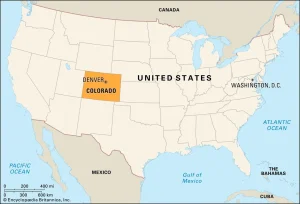
Colorado Lawmakers Consider New Betting Limits
Colorado lawmakers propose new gambling limits to protect players. Learn about the potential betting restrictions in the Centennial State.

Wisconsin Senate Passes Online Sports Betting Bill
The Wisconsin Senate has passed a bill to legalize statewide online sports betting through a tribal-exclusive model, pending Governor Tony Evers’ signature.
Alberta Eyes Shared iGaming Liquidity With Ontario
Alberta explores joining an international liquidity pool with Ontario to boost player volume and revenue for its iGaming market in 2026.
Promoting Responsible Spending Habits:
The SAFE Bet Act also tackles affordability concerns. It proposes limiting deposits to five per account within a 24-hour period. Additionally, the bill calls for financial checks before allowing large wagers, although specific thresholds are still under discussion with stakeholders.
Limiting the Scope of AI in Sports Betting:
The legislation addresses the use of AI in sports betting, raising concerns about potential manipulation. Tonko proposes to ban sportsbooks from using AI to track individual betting patterns or personalize advertisements based on that data. Moreover, the bill seeks to prohibit the development of AI systems that influence live pricing models.
Toward National Uniformity:
While some states, such as Maine and Pennsylvania, already have implemented strict regulations on online gambling advertisement and credit card use, the SAFE Bet Act aims to establish a single, standardized approach across all states where sports betting is legal. This would create a more predictable and safer environment for both operators and consumers, ensuring a baseline level of responsible practices in all legal markets.







